


Social isolation happens when someone has little to no contact with others. This can be due to various reasons, such as living alone, losing close connections with family or friends, or health challenges.
Social isolation is different from loneliness, which is more about feeling disconnected even when you are surrounded by people. Both social isolation and loneliness can have a serious impact on our mental and physical health.
Older adults in particular will be affected by mental health issues that come from social isolation. Long-term isolation can lead to depression, anxiety, and cognitive decline – especially in older adults.
Physical health risks are also linked to social isolation. People might experience heart problems, high blood pressure, and weakened immune systems. Being isolated can impact our health as much as smoking or obesity.
An overall decrease in quality of life is felt when we are socially isolated. We might feel less motivated to carry out daily tasks.
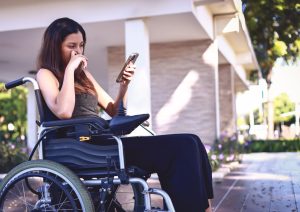
Social isolation can affect anyone, but some groups are more at risk:
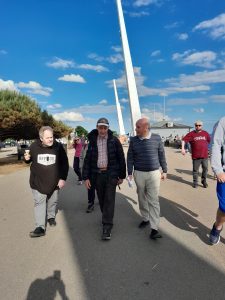
1) Join community groups. Local classes and clubs are great ways to meet new people.
2) Connect through regular phone calls, video chats, or letters.
3) Volunteering gives a sense of purpose and helps build new friendships.
4) Use technology. Online communities, virtual clubs, and classes can help people to feel connected.
5) Get active outdoors. Walking groups or gardening clubs provide both exercise and social interaction.
6) Join peer support groups. When we share experiences, like chronic illness or bereavement, we can benefit from and provide emotional support.
7) Seek mental health support. Counselling or therapy can be crucial for those dealing with severe loneliness.